
The Hidden Danger in Homes (2025 Safety Data)
According to the U.S. Fire Administration, more than 24,000 residential electrical fires occur every year across the country. Many of these incidents start with small warning signs—flickering lights, hot outlets, buzzing panels—that homeowners overlook. Before reaching out to a licensed electrician in Lyman, having a simple electrical safety checklist helps you identify risks early and protect your home from preventable hazards.
What This Checklist Does for Homeowners
A home electrical safety checklist allows you to quickly evaluate visible electrical components and identify issues such as overloaded circuits, loose wiring, outdated panels, or failing outlets. It also helps you understand when the problem is minor—and when you need services like electrical panel upgrades, wiring repair, lighting installation, or a full electrical safety inspection.
Electrical Safety Checklist for Homeowners (2025 Edition)
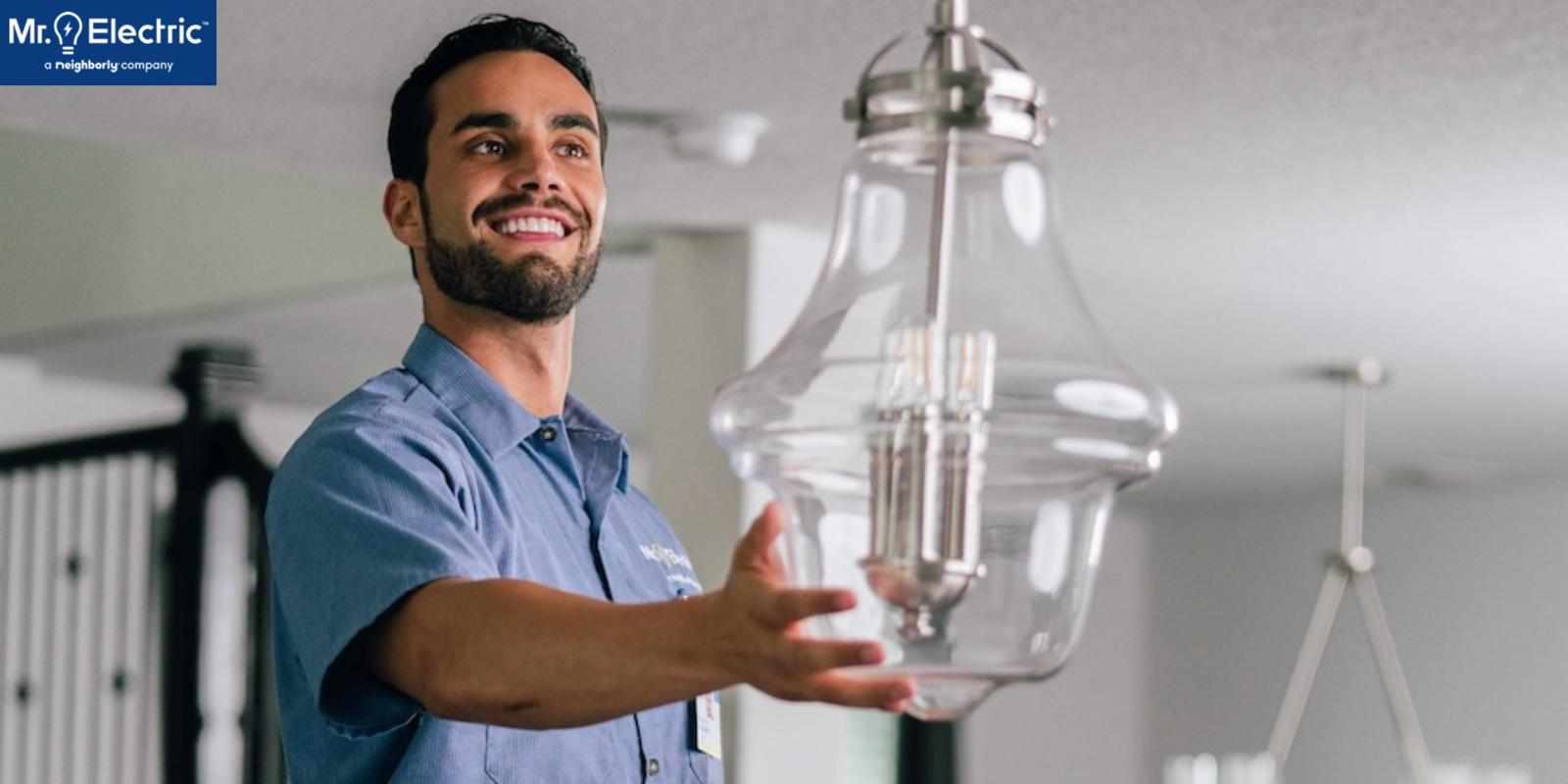
1. Inspect Lights for Flickering or Dimming
Lights that flicker or dim on their own often signal:
Loose wiring
Overloaded circuits
Failing fixtures
A need for wiring repair
If lights dim when appliances start, that’s a sign to call an expert for electrical troubleshooting.
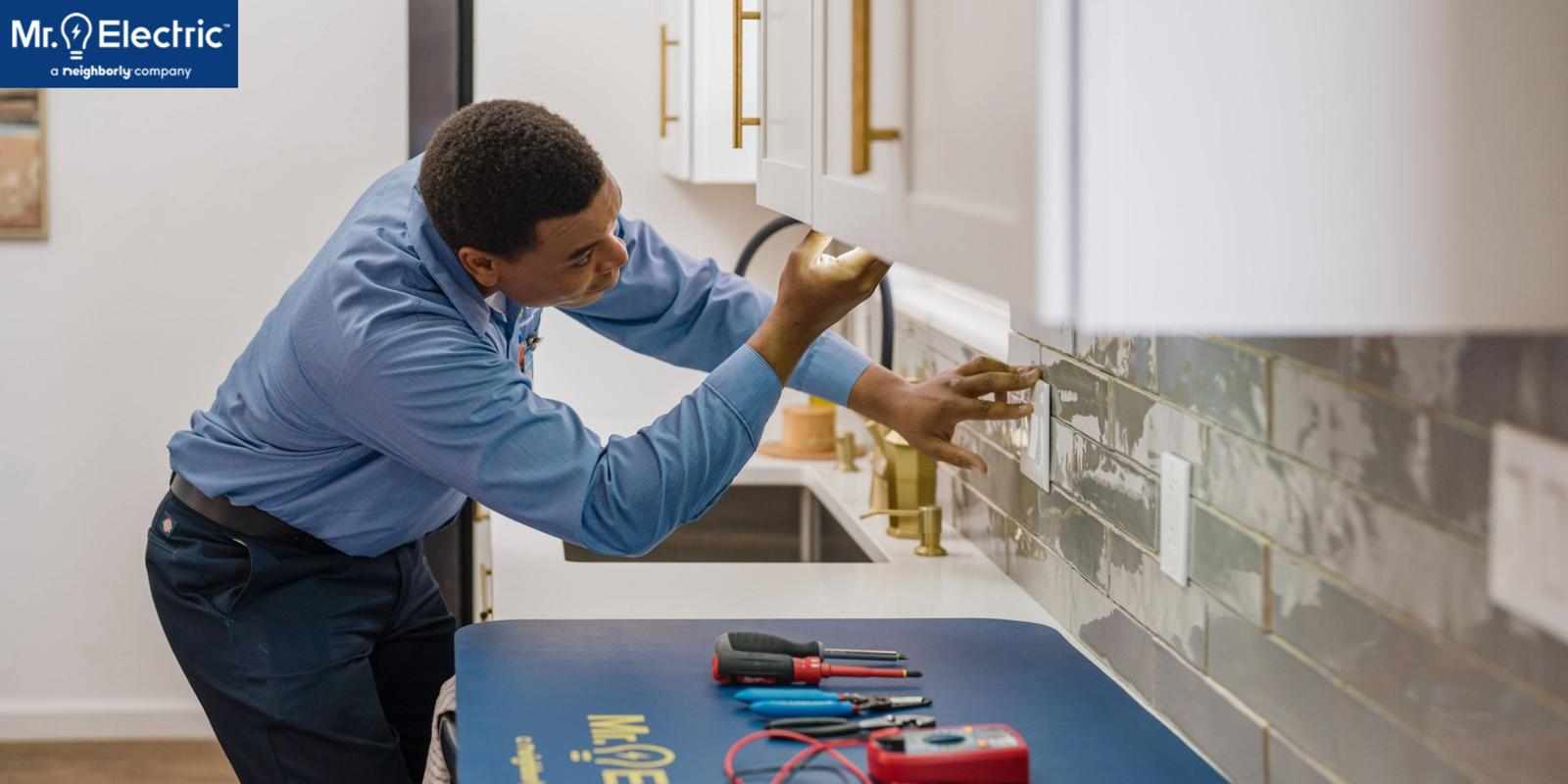
2. Check Outlets for Heat, Smell, or Discoloration
Gently touch your outlets. If they feel warm or have a burnt odor, turn off the power immediately.
This can indicate:
Damaged wiring
Overloaded circuits
Loose connections
Melting inside the outlet
In most cases, homeowners end up needing outlet repair, circuit breaker replacement, or a full outlet upgrade.
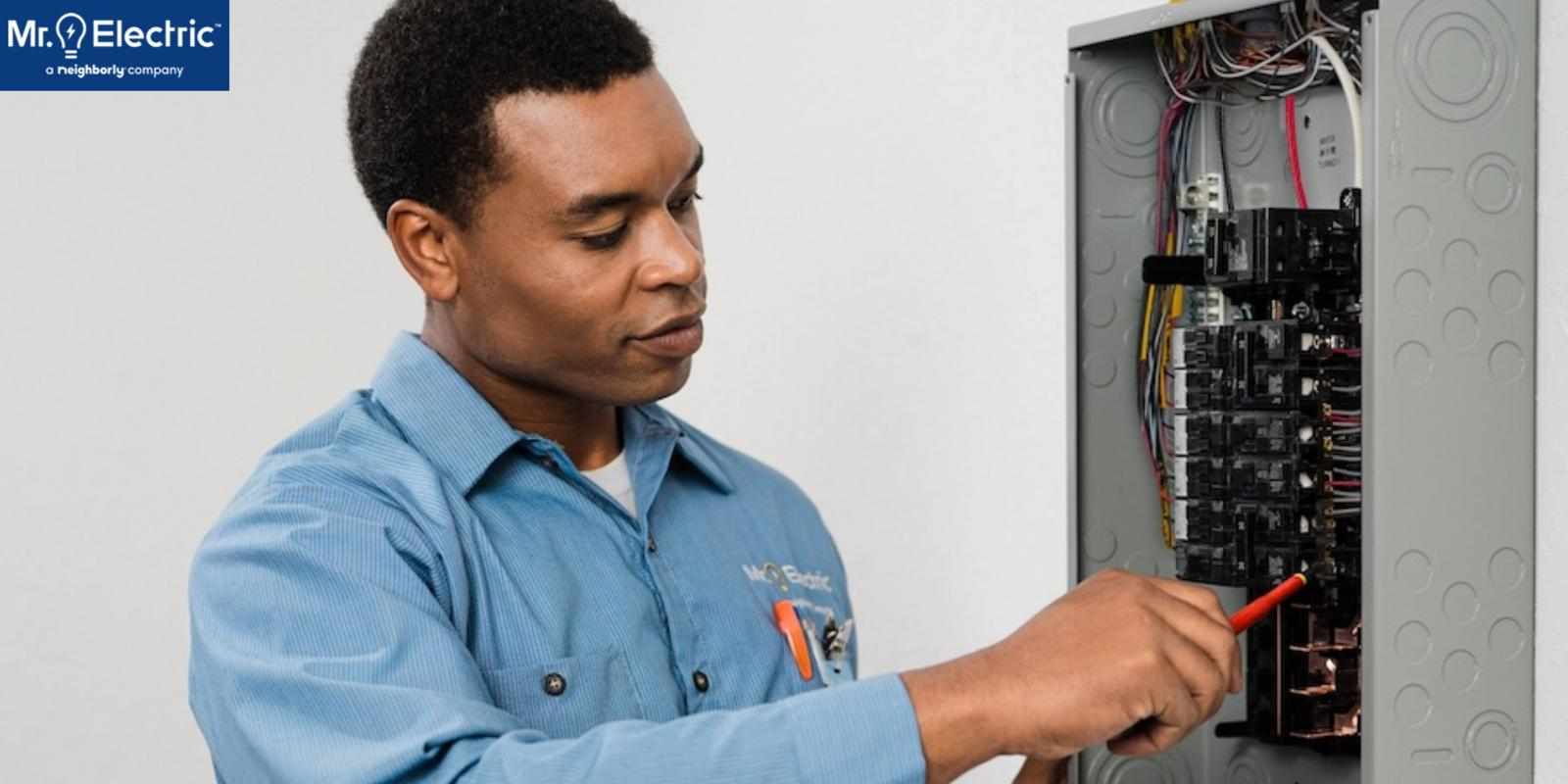
3. Listen for Buzzing from the Electrical Panel
Your panel should be silent. Buzzing or popping indicates dangerous issues like:
Loose breakers
Overloaded circuits
Electrical arcing
This is a common sign your home may need electrical panel upgrades or a professional electrical inspection.
4. Test GFCI Outlets in Wet Areas
Press the TEST and RESET buttons on outlets located in bathrooms, kitchens, laundry areas, garages, and exterior locations.
If the outlet fails to reset, schedule:
GFCI replacement
Wiring evaluation
A full electrical safety inspection
GFCIs play a crucial role in preventing electrical shocks.
5. Inspect All Extension Cords & Power Strips
Extension cords should only be temporary solutions. If you rely on them every day, you may need new outlet installations or an additional circuit.
Check regularly for:
Fraying
Cracks
Loose plug connections
Melted plastic
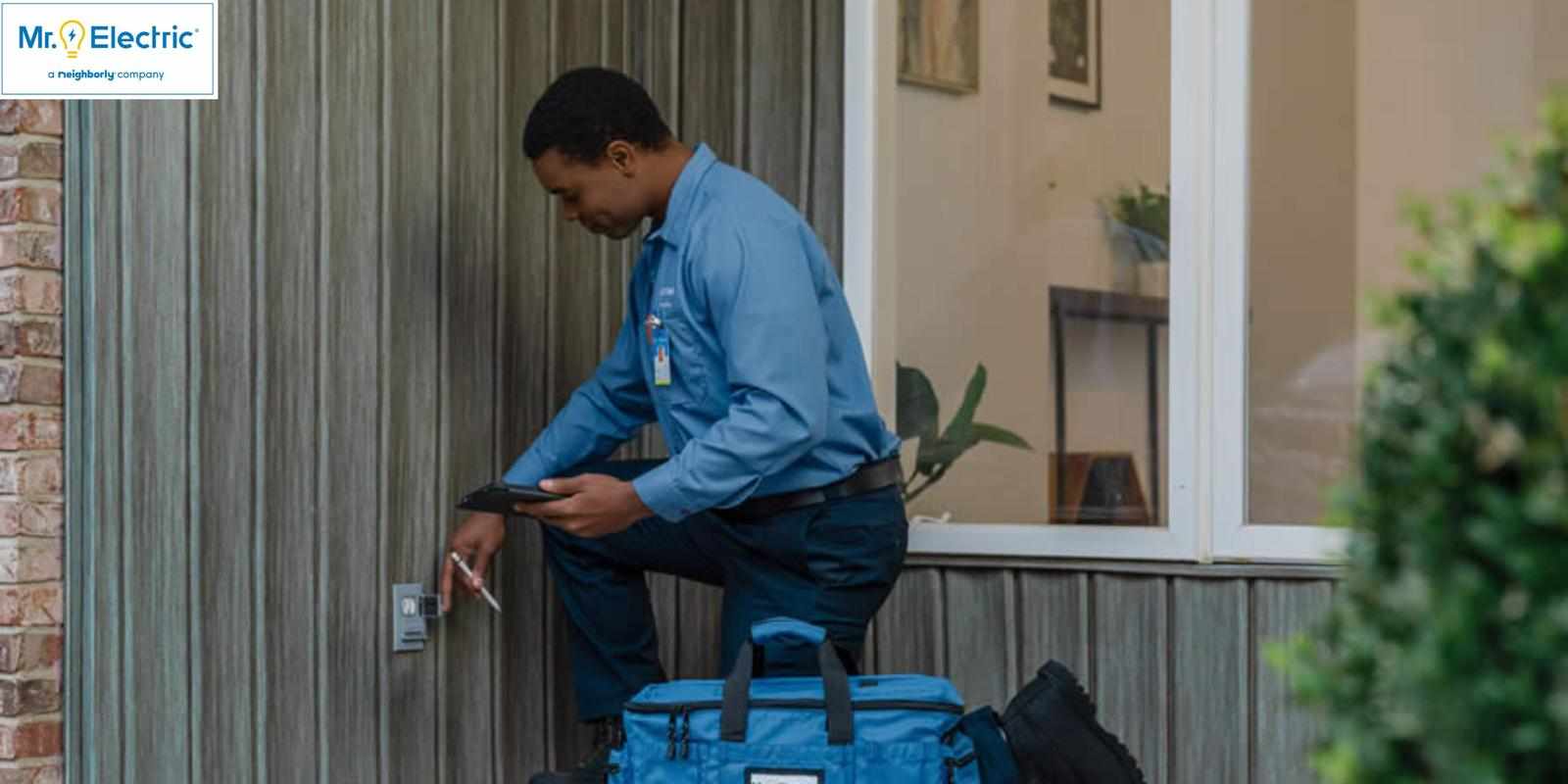
6. Evaluate Outdoor Wiring & Lighting Fixtures
Outdoor wiring faces weather damage, moisture, and corrosion.
Look for:
Loose wiring
Broken fixtures
Malfunctioning landscape lighting
Faulty outdoor GFCI outlets
These issues often lead to scheduling exterior lighting installation or wiring repair.
7. Test Smoke Detectors & Carbon Monoxide Alarms
The NFPA recommends replacing smoke alarms every 10 years and testing them monthly.
Signs they need replacement:
Chirping
No response during test
Yellowed or cracked casing
This is when homeowners opt for smoke detector installation or a complete safety upgrade.
8. Look for Outdated or Unsafe Wiring Types
If your house is older than 40 years, you may have:
Aluminum wiring
Cloth-covered wiring
Ungrounded outlets
Old fuse boxes
These systems often require whole-home rewiring or replacing unsafe outlets.
9. Check Appliance Cords & Plug Fit
Damaged cords or outlets that don’t grip plugs securely can create electrical arcs.
This commonly affects:
Space heaters
Microwaves
Hair dryers
Toasters
Replacing damaged appliances alone won’t fix the problem—loose outlets often need outlet replacement.
10. Review the Age of Your Electrical Panel
Most panels last 25–40 years. If your home still uses an older or overloaded panel, it’s time for:
Electrical panel upgrades
New circuit installation
Safety evaluation
Older boxes like Zinsco and Federal Pacific panels are well-known fire hazards.
Comparison Table: DIY Checklist vs. Licensed Electrical Inspection

A checklist can identify symptoms, but an electrician can diagnose root causes that aren’t visible.
A Lyman Homeowner Avoids a Serious Hazard
A family in Lyman noticed their dryer kept shutting off and the hallway lights flickered when the microwave ran. They assumed it was normal for an older home. After a burning smell appeared, they called an electrician in Lyman.
The electrician discovered:
Overheated wiring in the laundry room
A failing breaker
A loose neutral connection
The repair included a wiring upgrade, outlet replacement, and a breaker replacement—preventing a near electrical fire. The homeowners later added surge protection installation to safeguard their appliances.
When Should You Stop Checking and Call a Professional?
Stop the checklist immediately if you notice:
Sparks or burning smell
Buzzing panel
Warm or smoking outlets
Frequent breaker trips
Shock when plugging in devices
Melted plastic on outlets
These issues require licensed services such as:
Electrical panel upgrades
Outlet repair
Wiring repair
Whole-home safety inspection
FAQs
1. How often should I perform a home electrical safety check?
Every six months is recommended for homeowners. Older homes should be checked more frequently.
2. What signs mean I need an electrician immediately?
Burning odors, warm outlets, repeated breaker trips, buzzing from the panel, or visible sparks.
3. Can I fix my own electrical outlets?
DIY electrical work is dangerous. Even a small wiring mistake can cause fires. Always hire a licensed professional.
4. Are electrical panel upgrades worth it?
Yes. Upgrading boosts safety, improves efficiency, and prevents overloads—especially in older homes.
5. What’s the safest way to test GFCI outlets?
Press the TEST and RESET buttons monthly. If they don’t respond, call a professional for inspection.
Conclusion
A homeowner’s electrical checklist is a powerful tool, but it won’t catch hidden hazards. When you notice any warning signs—flickering lights, overheated outlets, buzzing panels—it’s important to schedule a professional inspection from a trusted electrician in Lyman. A licensed electrician can uncover the root cause, perform necessary repairs, and ensure your home stays safe for your family in 2025 and beyond.

Write a comment ...