
House Fires Rarely Start the Way People Think
Most people picture a fire starting with sparks and chaos. That’s not how it usually happens. According to the National Fire Protection Association (NFPA), electrical problems cause tens of thousands of home fires in the U.S. every year. And most of them start quietly. No drama. No warning.
This is why homeowners who work with a licensed electrician in Duncan usually avoid the worst outcomes. They don’t wait for smoke. They fix small problems early — the boring ones that actually cause fires.
What a Professional Electrical Inspection Really Is
An electrical inspection is not someone flipping switches and leaving. It’s a full safety check of your wiring, outlets, breaker panel, grounding, and protection devices.
Think of it like a doctor listening to your heart instead of asking, “Do you feel fine?”
Your house can look fine and still be unsafe.
Why Homeowners Miss Fire Risks So Often
Here’s the problem. Electrical systems hide. They sit behind walls and panels. And people assume “working” means “safe.”
That’s wrong.
Loose wires still carry power. Old breakers still reset. Outlets still work — right up until they don’t. This is why inspections matter. They catch what homeowners can’t see.
How Inspections Stop Fires Before They Start
A good electrician doesn’t guess. They check connections, measure loads, and test safety devices.
A big part of that is inspecting Surge Protection and Circuit Breakers. These parts are your last line of defense. When they fail, fires follow.
8 Ways Electrical Inspections Prevent Fire Hazards
1. Catching Loose Wiring Before It Heats Up
Loose wiring is one of the most common fire causes. And it’s sneaky.
When wires aren’t tight, electricity jumps. Jumping creates heat. Heat starts fires.
What works: Tightening and repairing connections early.
What fails: Ignoring outlets that “still work.”
Kid version: Rubbing your hands fast makes heat. Loose wires do the same thing.
2. Stopping Circuit Overloads Before They Burn
Homes today use way more power than they used to. Old circuits weren’t built for it.
Electricians look for:
Too many devices on one circuit
Breakers that trip often
Extension cords used daily
What usually fails: Resetting breakers again and again.
What works: Rebalancing or adding circuits.
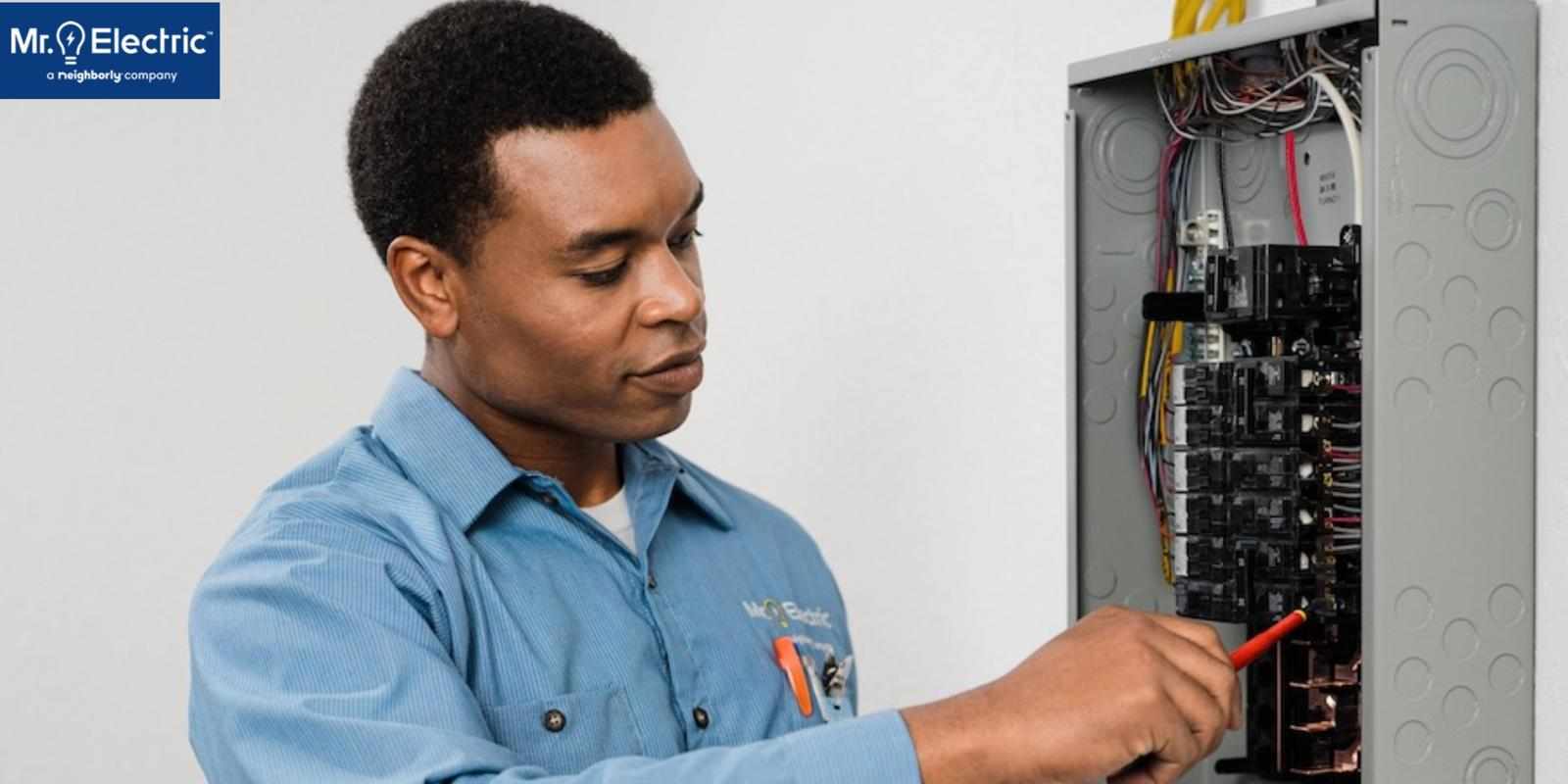
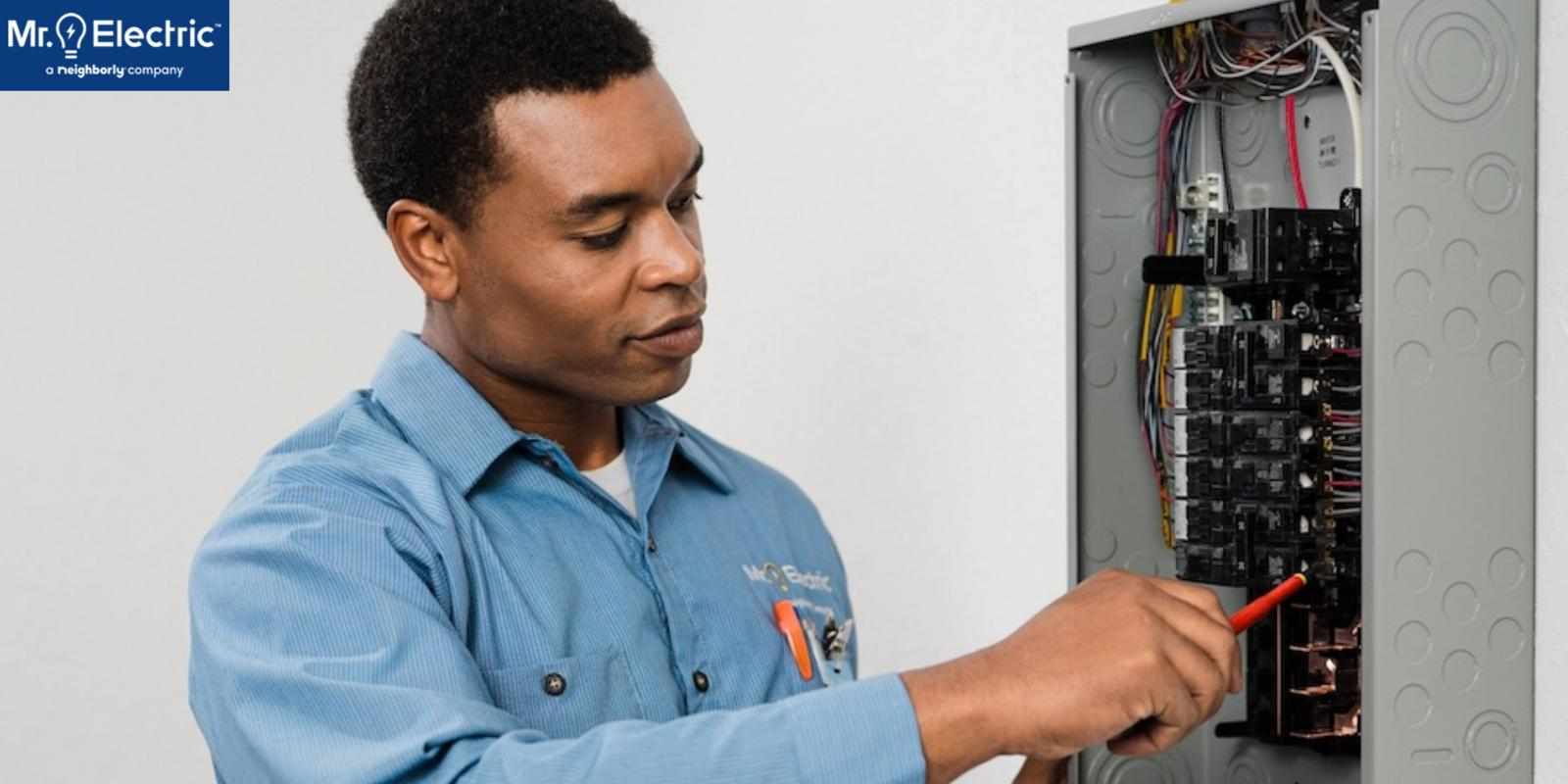
3. Identifying Panel Problems Most People Never Notice
Your electrical panel controls everything. And when it’s old or damaged, risk goes way up.
Common issues:
Rust
Burn marks
Breakers that don’t trip right
Outdated or recalled panels
Personal judgment: If your panel is 25+ years old, trust it less. Age matters here.
4. Making Sure Breakers and Surge Protection Actually Work
Breakers aren’t decorations. They’re safety tools.
Surge protection protects your home from sudden voltage spikes. Without it, wiring and electronics take the hit.
What works: Testing and upgrading protection.
What fails: Assuming breakers last forever.
This is one of the first things electricians check during fire-prevention inspections.
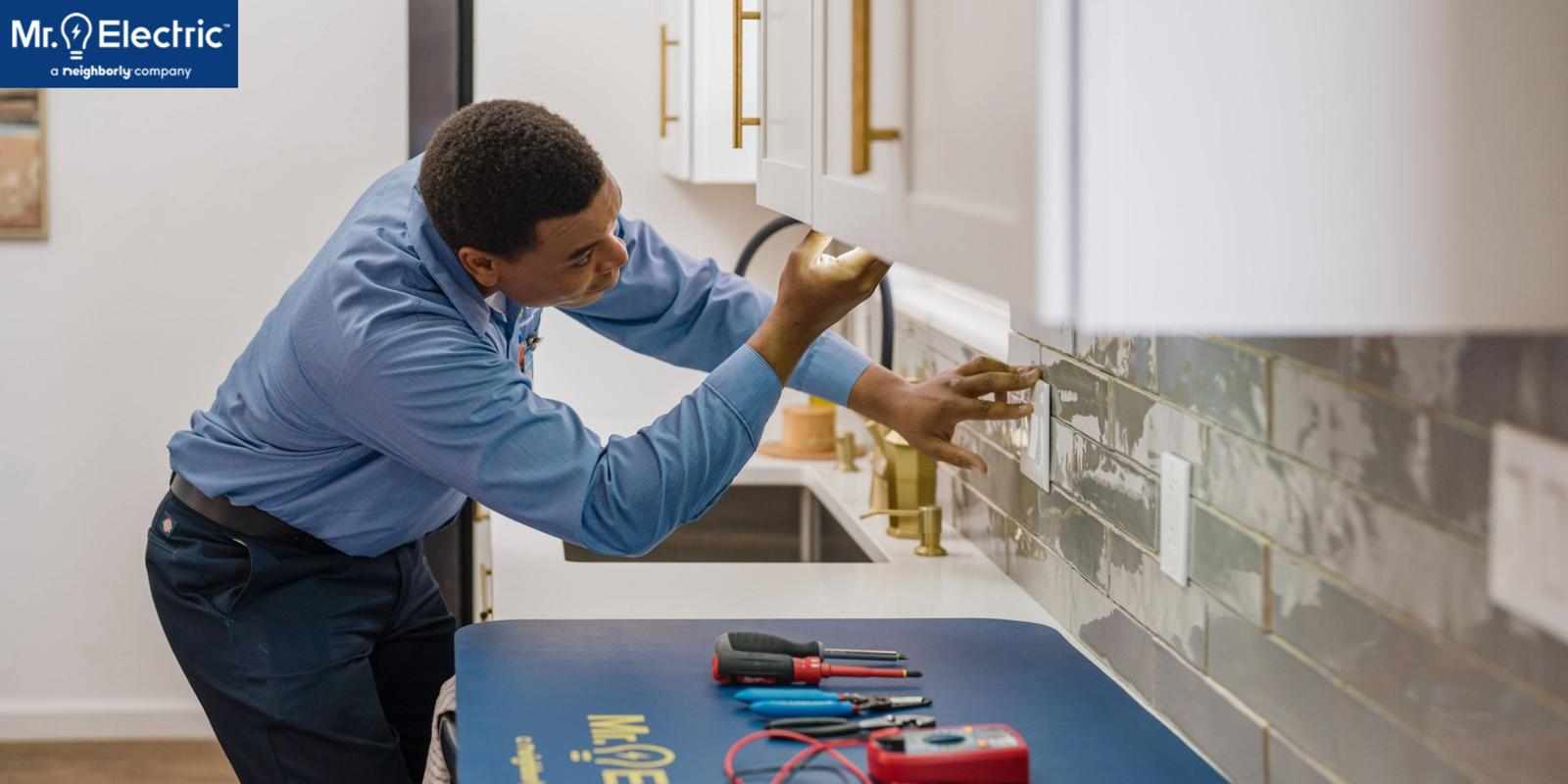
5. Finding Dangerous Outlets Before They Smell Like Smoke
Outlets should never be warm. Not a little. Not sometimes.
Electricians look for:
Heat
Buzzing
Burn marks
Loose connections
These issues don’t look serious until they are. And by then, it’s often too late.
6. Flagging Old Wiring That Can’t Handle Modern Homes
Old wiring isn’t always unsafe — but it often struggles with modern demand.
Red flags include:
Aluminum wiring
Knob-and-tube
DIY splices
What works: Honest evaluation and selective upgrades.
What fails: “It’s been fine for years.”
That logic ends badly.
7. Fixing Grounding Problems Most Homes Have
Grounding gives electricity somewhere safe to go.
Without it:
Voltage builds
Arcing happens
Fire risk increases
Electricians test grounding because bad grounding is common — especially in older homes.
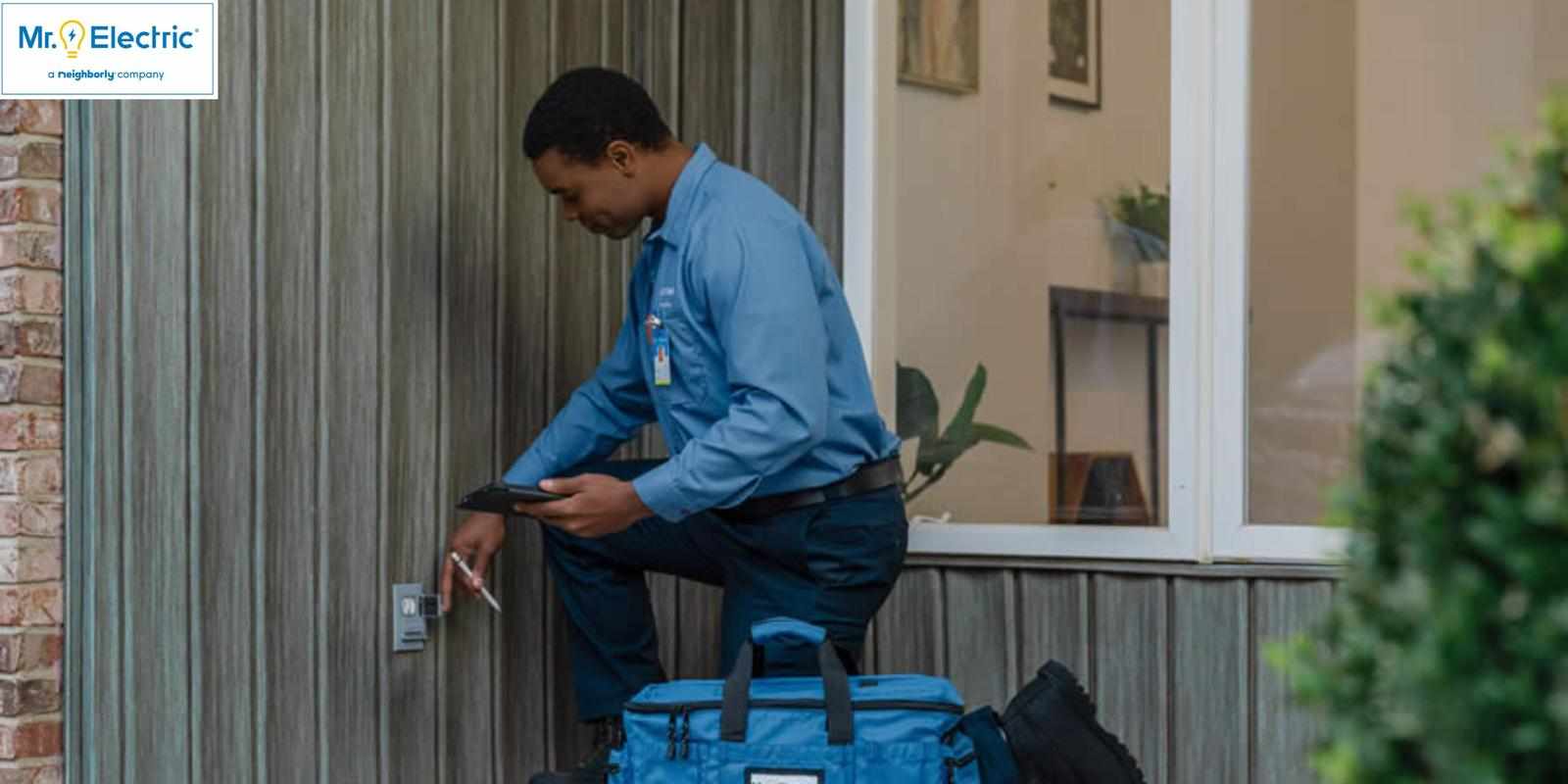
8. Inspecting Outdoor Electrical Parts People Forget About
Outdoor wiring lives a hard life. Rain. Heat. Cold. Bugs.
Inspectors check:
GFCI protection
Weatherproof covers
Moisture damage
In places like Duncan, humidity alone can shorten the life of outdoor wiring.
DIY Checks vs Real Electrical Inspections
What Homeowners Can Do Safely
Notice flickering lights
Smell burning odors
Test GFCI outlets
That’s awareness. Not inspection.
What DIY Usually Gets Wrong
Electricians often see:
Loose connections
Wrong wire sizes
Hidden fire hazards
Electrical work doesn’t forgive mistakes. Problems hide until they explode.
Inspection vs No Inspection (Real Talk)

Skipping inspections saves nothing long-term.
Why Local Experience in Duncan Matters
Homes in Duncan range from older houses to newer builds. Each has different wiring habits and weak spots.
A local electrician in Duncan knows:
What usually fails
What inspectors miss
What needs fixing now vs later
That experience matters when safety is involved.
How Often Electrical Inspections Actually Make Sense
Older homes: Every 2–3 years
Newer homes: Every 3–5 years
After renovations: Always
Before buying or selling: Non-negotiable
Fire prevention isn’t a one-time thing.
FAQs (Straight Answers)
Can inspections really prevent fires?
Yes. They catch loose wiring, overloads, and failing breakers — the top fire causes.
How long does an inspection take?
Usually 1–2 hours.
Is it expensive?
Not compared to fire damage. Not even close.
Do new homes need inspections?
Yes. New doesn’t mean perfect.
What’s the biggest risk electricians see?
Loose connections. Every time.
Final Thought (No Sugarcoating)
Electrical fires aren’t dramatic. They’re slow. Quiet. Boring.
And that’s why people ignore them.
Professional inspections focus on boring details — and that’s exactly why they work.
Personal take: Electrical inspections aren’t exciting. But neither is losing your home to a fire that could’ve been prevented.
Key Takeaways
Fires start quietly
Loose wiring and overloads cause most damage
Inspections catch problems early
Breakers and surge protection matter
Local electricians prevent repeat issues

Write a comment ...