
Electrical Problems Don’t Start Big — They Start Quiet
Here’s something most homeowners don’t realize. According to the U.S. Fire Administration, electrical failures cause around 24,000 house fires every year in the U.S.. And no, these fires don’t usually start with sparks flying everywhere. They start small. A loose wire. A tired breaker. A panel that’s been ignored for years.
That’s why working with a trusted electrician in Inman matters more than most people think. Not when things break — but before they do.
What Electrical Maintenance Really Means
Electrical maintenance isn’t fancy. It’s just making sure your system isn’t slowly falling apart behind the walls.
It means checking breakers, wiring, outlets, grounding, and protection devices. The stuff you never see — until something goes wrong.
Think of it like brushing your teeth. Skip it long enough, and eventually you’ll feel pain. Electrical systems work the same way.
The Real Electrical Problems Homeowners Actually Have
Let’s be honest. Most homes don’t fail because of one huge mistake. They fail because of small bad habits.
Here’s what usually causes trouble:
Too many devices on old wiring
Panels that are outdated but “still working”
Loose outlets nobody fixes
No surge protection at all
One big issue I see all the time? Homes without proper Surge Protection and circuit brakers. When voltage spikes hit, electronics take the damage — or worse.
Why Waiting for a Problem Usually Backfires
Here’s the truth. Waiting until something breaks almost always costs more.
A quick inspection might cost a little. Replacing fried electronics, damaged wiring, or fire damage costs a lot. People don’t regret maintenance. They regret skipping it.
10 Electrical Maintenance Tips That Actually Work
1. Annual Electrical Inspections — Boring but Necessary
Most people skip inspections because nothing seems wrong. That’s the mistake.
What inspections usually catch:
Loose connections
Overloaded circuits
Aging wiring
Panel issues
What works: Annual inspections.
What fails: “I’ll wait until something acts up.”
Electrical problems don’t warn you nicely.
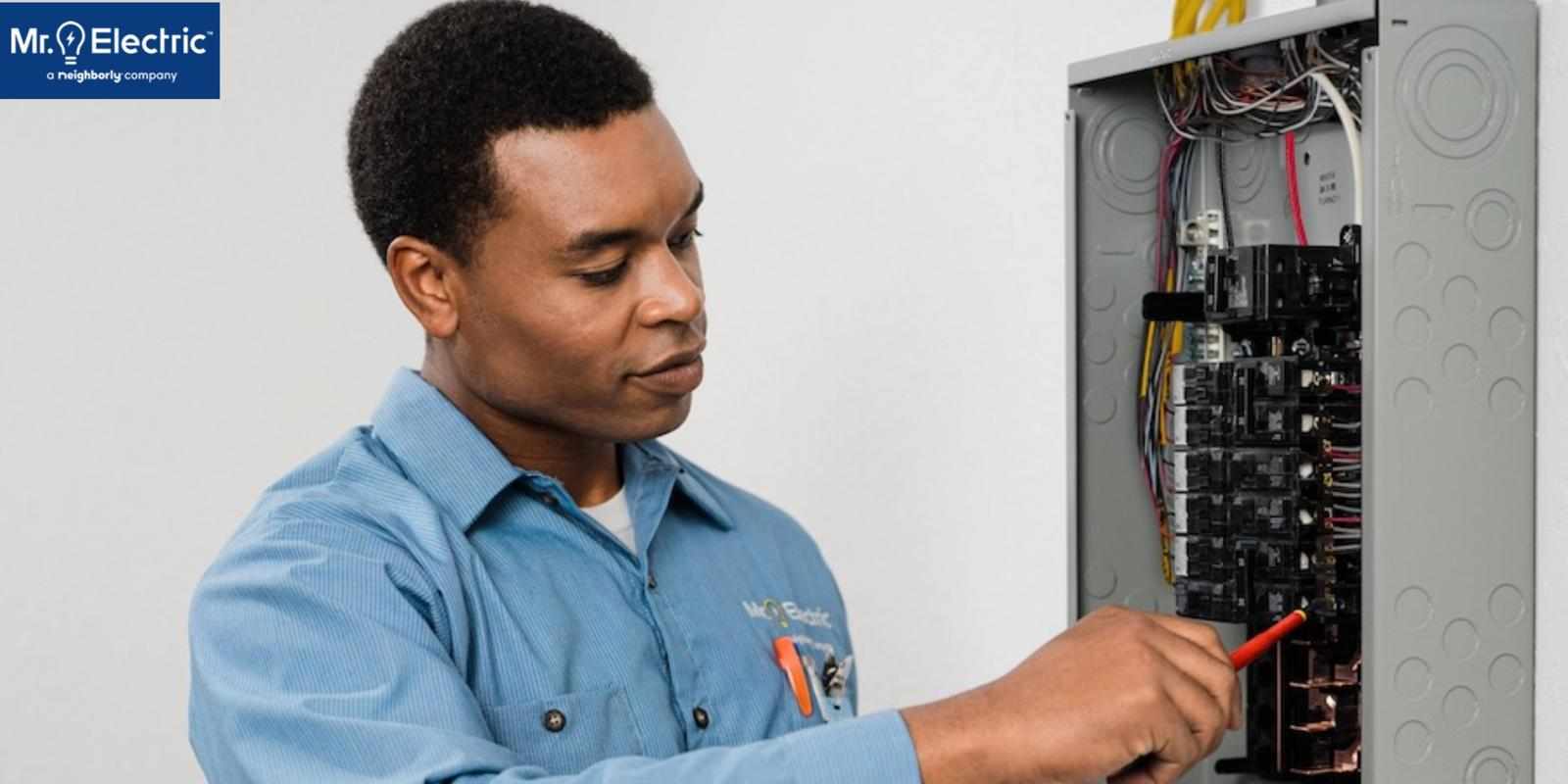
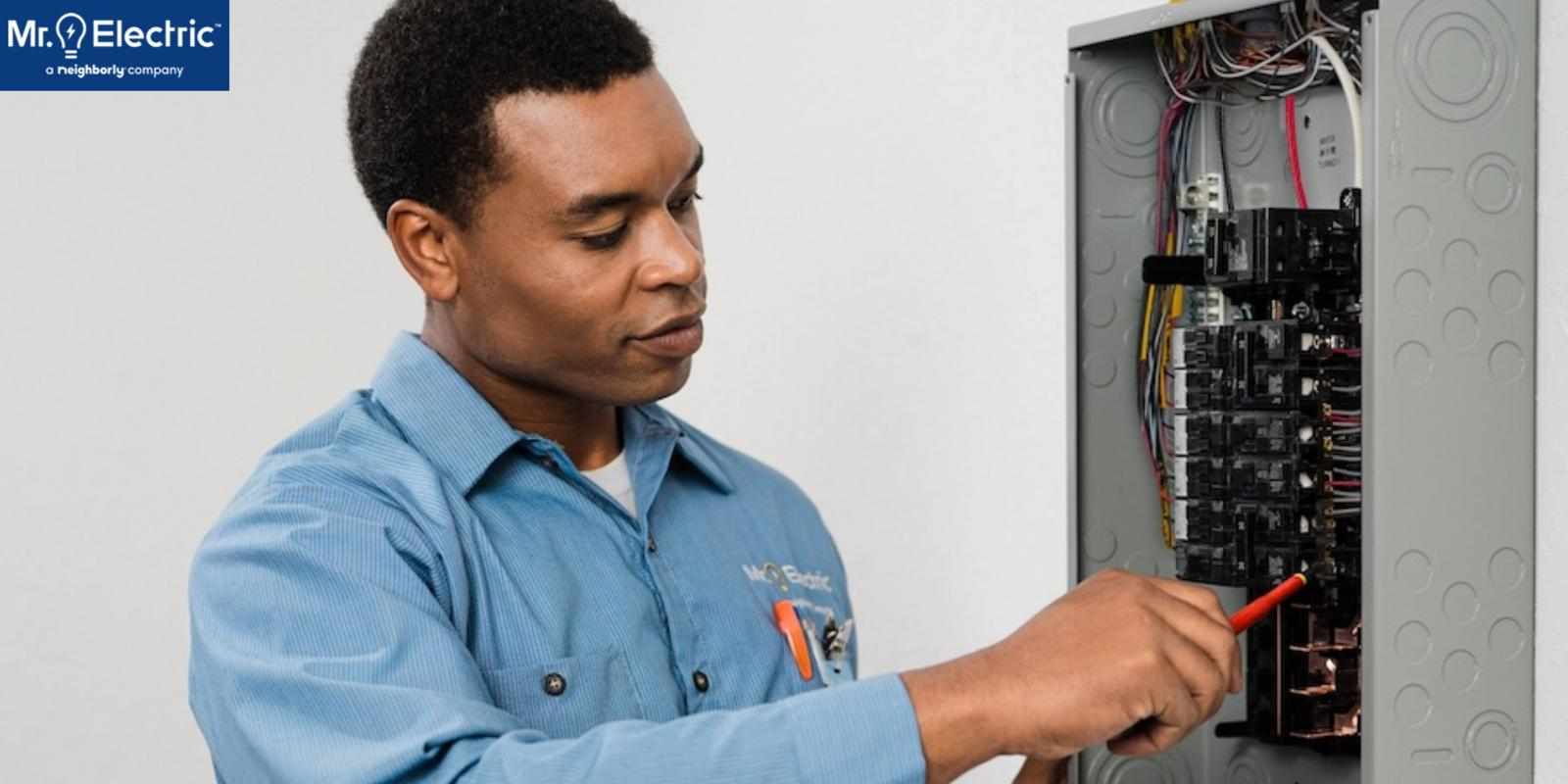
2. Your Electrical Panel Tells a Story — Pay Attention
If your breaker trips often, your panel is talking to you. Loudly.
Red flags:
Breakers that won’t reset
Warm panel covers
Buzzing sounds
Personal judgment: If your panel is over 25 years old, it’s living on borrowed time. Yes, even if it “works fine.”
3. Surge Protection Is Not Optional Anymore
Homes today have more electronics than ever. TVs, routers, chargers, smart devices. One surge can wipe them out.
Here’s the difference:

Storms don’t care how new your house is. That’s why Surge Protection and circuit brakers matter so much.
4. Test GFCI and AFCI Outlets — It Takes 10 Seconds
People forget these exist. Until someone gets shocked.
Quick test:
Press “Test”
Power should shut off
Press “Reset”
If nothing happens, the outlet is useless. Replace it.
What works: Monthly testing.
What fails: Assuming they’re fine forever.
5. Loose Outlets Are Small but Dangerous
This one gets ignored constantly.
Loose outlets cause heat. Heat causes fires. Simple math.
Warning signs:
Wobbly outlets
Flickering lights
Crackling noises
If an outlet moves when you plug something in, it’s not “normal.” It’s unsafe.
6. Extension Cords Are a Bad Habit
Extension cords are meant to be temporary. Most homes use them permanently.
That’s a problem.
Why they fail:
Overheat easily
Get damaged fast
Aren’t designed for long loads
What works: Installing proper outlets.
What fails: Running cords behind furniture for years.
7. Grounding Isn’t Optional — It’s Protection
Grounding gives electricity a safe place to go when something goes wrong.
Without it:
Shock risk goes up
Electronics die faster
Code violations happen
This matters even more in storm-heavy areas like South Carolina.
8. Outdoor Electrical Parts Take More Abuse Than You Think
Outdoor outlets and lighting get hit by rain, heat, cold, and dirt.
What usually fails outside:
Rusted connections
Broken covers
Moisture inside outlets
What works: Weather-rated covers and inspections.
What fails: Ignoring outdoor wiring entirely.
9. Energy-Efficient Upgrades Help Safety Too
People think energy upgrades are just about saving money. Not true.
Lower energy load means:
Less heat
Less stress on wiring
Fewer breaker trips
LED lighting alone reduces load more than most people expect.
10. Know When to Call an Electrician — Don’t Guess
Some things aren’t DIY.
Call a professional if you notice:
Burning smells
Sparks
Partial power loss
Constant breaker trips
A licensed electrician in Inman can spot problems fast and fix them safely.
Why Local Experience in Inman Actually Matters
Homes in Inman and nearby areas deal with:
Seasonal storms
Older electrical systems
Growing power demand
A local electrician understands these patterns. That matters more than people realize.
Key Takeaways
Electrical problems start small
Inspections catch issues early
Surge protection saves electronics
Loose outlets are real fire risks
Waiting almost always costs more
My honest take: Most electrical disasters are boring. And preventable.

Write a comment ...